




































After a long hiatus, national parliamentary elections are once again being held in Bangladesh. The elections scheduled for 12 February 2008 are being described as historic for several reasons. Most importantly, these are the first free elections in Bangladesh after the end of the 15-year authoritarian rule of former Prime Minister Sheikh Hasina Wajed.
India—where Sheikh Hasina has been living in exile for the past one and a half years—is deeply disappointed and worried. With the sudden collapse of Hasina’s government, India’s economic, political, diplomatic, and strategic influence in Bangladesh has suffered a major setback.
Pakistan, on the other hand, is hopeful and optimistic. Pakistan has pinned great expectations on the outcome of Bangladesh’s parliamentary elections. It is being said that whether Jamaat-e-Islami gains power or the Bangladesh Nationalist Party (BNP) emerges victorious, both outcomes would be better for Pakistan. If Jamaat-e-Islami and BNP form a coalition government, it would be even more favorable for Pakistan, since previous BNP governments under Begum Khaleda Zia maintained good relations with Pakistan.
A particularly encouraging development for Pakistan is that, after 14 years, Bangladesh’s national airline resumed flights to Pakistan on 30 July 2023, carrying more than 100 passengers. This occurred just months before the national elections. Additionally, Pakistan’s decision not to play cricket with India has been widely appreciated in Bangladesh.
When Pakistan’s Prime Minister and Foreign Minister visited Bangladesh (towards the end of 2021), they held detailed meetings with BNP leader Begum Khaleda Zia and Jamaat-e-Islami Bangladesh chief Shafiqur Rahman. The positive outcomes of those meetings are now becoming visible.
Jamaat-e-Islami has a strong presence not only in Pakistan but also in India, Bangladesh, and Kashmir. Its historical importance cannot be ignored. During the crisis of 1971, when India-backed Mukti Bahini, under the leadership of Sheikh Mujibur Rahman, was actively working to separate East Pakistan, Jamaat-e-Islami East Pakistan stood firmly by Pakistan’s unity and integrity and openly supported the Pakistani army.
A detailed study of the sacrifices made by Jamaat-e-Islami reveals that its members faced severe persecution in many cities of East Pakistan. At that time, Jamaat’s Amir was Maulana Abul A‘la Maududi, who was later taken as a prisoner of war by India.
After Bangladesh came into existence and the Awami League assumed power, Jamaat-e-Islami Bangladesh was subjected to brutal revenge. Its senior leadership was tortured solely because Jamaat had openly supported Pakistan during the 1971 war. Jamaat was banned, barred from participating in elections, and denied its political identity.
Sheikh Hasina established the so-called International Crimes Tribunal, through which many Jamaat leaders were falsely implicated, imprisoned, and executed. Leaders such as Abdul Quader Molla, Muhammad Kamaruzzaman, Ali Ahsan Mujahid, Matiur Rahman Nizami, and Mir Quasem Ali were hanged. Ironically, under the same legal framework, 78-year-old Sheikh Hasina herself has now been sentenced.
Now, in the 12 February 2008 general elections, Jamaat-e-Islami Bangladesh has once again emerged as a strong contender. The party has fielded candidates across the country. Indian media is in panic, claiming that if Jamaat wins a significant number of seats, secularism in Bangladesh will be finished—even though secularism itself has already collapsed in India under the BJP and RSS.
According to several Bangladeshi and international survey organizations, Jamaat-e-Islami is expected to receive over 33% of the vote, while BNP may secure more than 37%. A third youth-based party is also contesting, making the electoral landscape highly competitive.
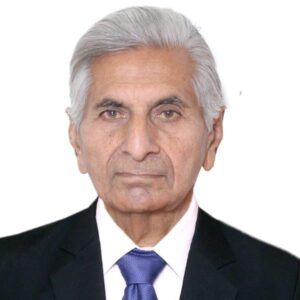
After the fall of Sheikh Hasina’s government, Jamaat-e-Islami Bangladesh has regained political momentum. Its student wing, Islami Chhatra Shibir, is also active. Jamaat’s Amir Dr. Shafiqur Rahman, Deputy Amir Syed Abdullah Muhammad Taher, and Secretary General Mia Ghulam Parwar are all actively campaigning.
In 2001, Jamaat had formed an electoral alliance with BNP, and later two Jamaat members joined Khaleda Zia’s cabinet. However, the political environment has changed significantly since then. During BNP’s rule, the Supreme Court suspended Jamaat’s registration, and it was repeatedly accused of being anti-Hindu—an allegation that does not reflect reality.
In fact, it was certain Hindu groups that opposed Jamaat during the regimes of Sheikh Mujibur Rahman and Sheikh Hasina. In the current election campaign, Jamaat-e-Islami Bangladesh is treating Hindu citizens with brotherhood and respect. The party has even issued tickets to Hindu candidates.
For example, in Khulna constituency, Jamaat has nominated a well-known Hindu intellectual, Krishna Mohan, recognizing the significant Hindu population there. This decision is widely seen as politically wise and socially inclusive.
Addressing a public gathering in Khulna, Jamaat Amir Dr. Shafiqur Rahman reassured Hindu citizens, saying:
“Bangladesh is not only the homeland of Muslims; it belongs equally to people of all religions. We are committed to protecting all your rights.”




Xojililink is pretty interesting!. You can find many different gaming choices. Go and try it out! xojililink