



































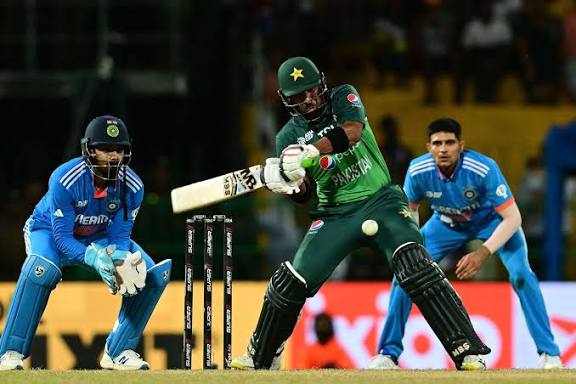
Pakistan’s announcement that it will not play against India in the T20 World Cup has sparked serious debate, not just in India, but across every corner of the cricketing world. This decision is more than just about a game; it is a principled move linked to national dignity and the financial and moral architecture of global cricket.
The Financial Backbone of Global Cricket
The Pakistan-India match in the T20 World Cup has always transcended the boundaries of sport. According to experts, the total commercial value of this single match is approximately **$500 million (approx. 140 billion PKR)**. This includes:
* Broadcasting rights
* Advertising and sponsorship activations
* Ticket sales
* Digital platform viewership
This match serves as the financial backbone for the International Cricket Council (ICC) and its sponsors. In India, the reaction to this decision is primarily driven by the fear of financial loss. Advertising revenue alone accounts for nearly **3 billion INR**, with 10-second ad slots reaching rates of **2.5 to 4 million INR**.
Impact on Global Boards and Associate Members
The absence of this high-profile match doesn’t just hurt the giants; it ripples down to other Full and Associate Member boards. Since the ICC relies heavily on a few high-value matches to fund its distribution model, countries like Nepal, the Netherlands, and Scotland—who depend almost entirely on ICC funding—could see their financial survival threatened.
This reality raises questions about injustice and partiality in global cricket. If the entire financial model collapses without one specific fixture, it exposes the fragility of the sport’s current administration.
National Dignity vs. Commercial Interests
The outcry from India demonstrates that the primary concern is marketing and profit rather than the spirit of the game. It suggests that India’s claim of keeping “cricket free from politics” is practically weak.
Conversely, Pakistan has made it clear that cricket is not possible without **principles, equality, and a non-political environment**. While this decision may seem like a short-term loss for Pakistan Cricket, it offers significant long-term strategic advantages:
1. **Increased Leverage:** Enhances Pakistan’s position in future negotiations.
2. **Global Scrutiny:** Forces a conversation regarding the ICC’s financial and administrative transparency.
3. **Self-Reliance:** Proves that with rising young talent and high demand in global leagues, Pakistan is not dependent on a single opponent.
The Ultimate Question
The core issue is how global cricket should be governed: based on **principles, transparency, and dignity**, or purely on **profit**?
If cricket becomes nothing more than a business, its soul and the interest of its fans will inevitably suffer. Pakistan’s stance sends a clear message: cricket should be played with national pride and integrity, not under financial pressure or coercion. This decision is a litmus test for the future balance of power in international cricket.